
Continuing on with looking at the power of our speech, let's explore the second of our speech guidelines.....
Don't use your words to drive a wedge between people—speak in ways that bring people together.
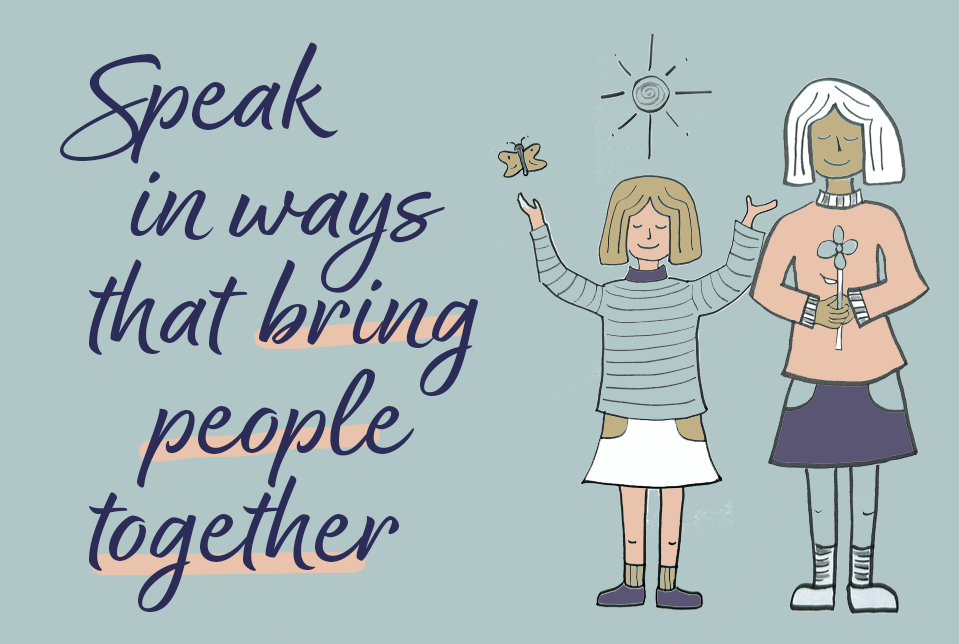
Divisive speech is when we say something harmful about someone, to someone else intended to create division. For example, you might say something nasty about someone to another person with the intention of getting them to dislike or question the integrity of that person. Unfortunately, I often hear politicians engage in this kind of divisive speech.
Sometimes we can have the misguided idea that turning someone against someone else would somehow make us more popular. I can remember having this unhelpful idea as a teenager. We can all use our speech is these divisive ways, but rather than give ourselves a hard time when we do, we can do a Four Forces by taking Refuge in our understanding causality—what comes around goes around, Regretting this divisive behaviour, making a realistic Restraint, of being aware not to use our speech divisively for the week and finding a way to be inclusive with our speech as a Recompense, or make up activity. All sorted, peace of mind restored. Using the Four Forces is certainly one way we can be a kind encouraging friend to everyone including us.
The Buddhists texts talk about the karmic correlations related to divisive speech. They include that we lose friends easily, we experience others speaking badly of us and we find ourselves in conflict. It is not surprising that by being inclusive with our speech we generate loyal friends and more harmonious relationships. Seems to make sense to me.
So, instead of being divisive with our speech, we can use our speech to brings others together, creating harmony and friendship. Ways to do this include; to say nice things about others, especially when they are not around; to introduce others or find connections between them; to be more curious, accepting and inclusive of diversity and to be on the lookout for someone who may appear on the outer in a group situation and look for ways to make them feel included. I also find it helpful to make a conscious effort to connect, with my eyes and full attention, when engaging with others—this is not always easy because of the many distractions around but it’s always worthwhile to be aware of.
Once again, it's helpful to remember that we are all doing our best. As Maya Angelou says “Do the best you can until you know better. Then when you know better, do better”. So now we understand more about divisive and inclusive speech we can do a better best when it comes to being inclusive and kind with our words.
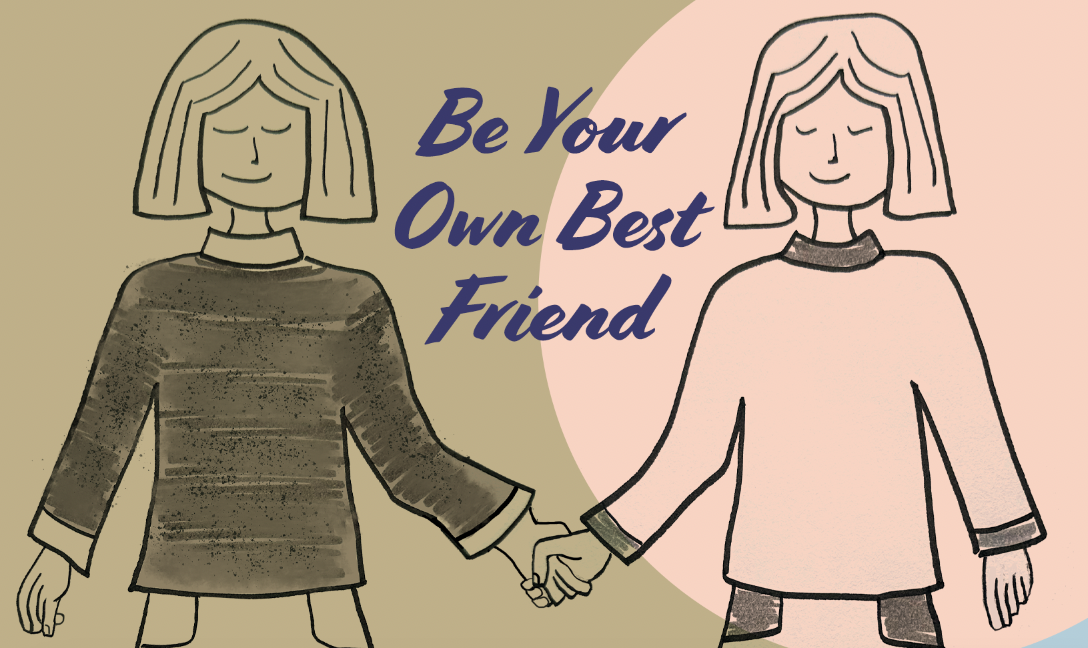
For me the most helpful tool I have when it comes to being kind with my speech is to tune into my wise self, my own best friend, to be reminded to be truthful, inclusive, kind and encouraging with my speech both to myself and others, always.