
During the last few weeks I have been reminded of the power of our word and have been on the watch for how I am using my word—written, spoken and thoughts—both to myself and others.
Often, I misuse my word, like when I use untruthful, harsh, divisive, or useless speech to myself or others. Rather than speak harshly to myself for doing this—perpetuating the harm—I have been aware to be a forgiving, kind and encouraging friend to myself, whenever I notice my tendency to use my words in harmful ways to others or to give myself a hard time for forgetting something, making a mistake, losing my temper, worrying, or feeling sad.
A friend told me about a time recently when he had lost it, becoming angry at another driver over a parking space they both wanted. He was excited to tell me he got over it quickly by doing a Four Forces—taking Refuge in his understanding of causality—what comes around goes around, Regretting his behaviour, making a realistic Restraint, of not getting into a traffic dispute for the following week, and deciding to apologise to the other driver as a Recompense, or make up activity. All sorted, peace of mind restored. This is certainly one way we can be a kind encouraging friend to everyone including us.
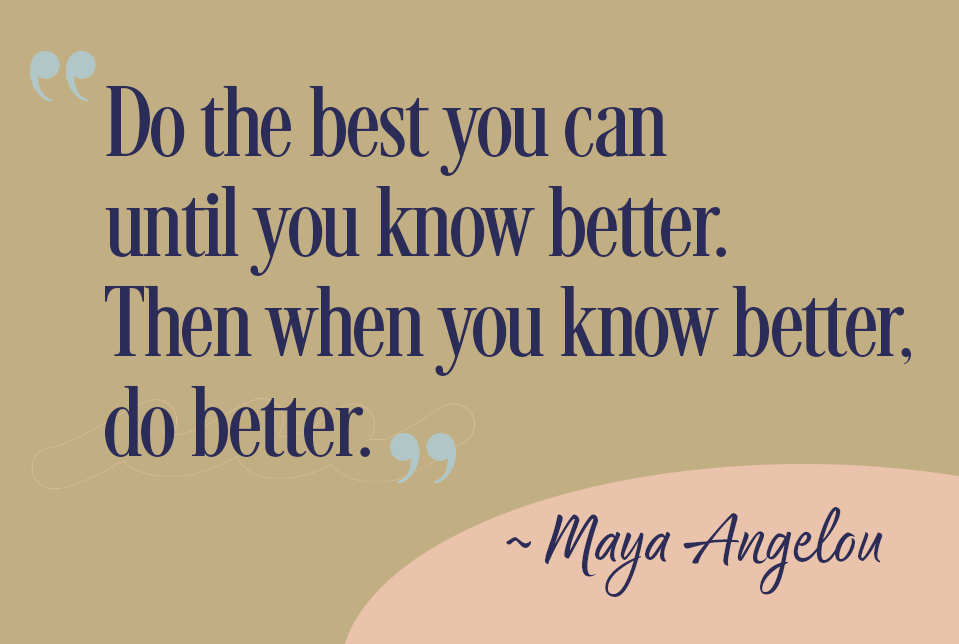
We could also do a Four Forces related to the way we may have spoken to ourselves too. We could Regret speaking harshly to ourselves, Restrain by making a promise to ourselves to watch out of unkind thoughts and replacing them with kind, encouraging ones for the rest of the day or week, and forgive ourselves for speaking unkindly as a Recompense. We are all doing our best. As Maya Angelou says “Do the best you can until you know better. Then when you know better, do better.” Again, all sorted, peace of mind restored.
We often speak to ourselves much more harshly, than we speak to others. I was particularly aware of this when I was in the company of an elderly woman who was voicing her frustration with herself as she muttered “Oh you stupid woman, how could you have forgotten that!” It saddened and shocked me, although I knew I could easily let harmful thoughts go unchecked. Lama Marut once said that we might be more aware to watch what we think if we all had head megaphones broadcasting our thoughts! It is great to bring awareness to unhelpful thought habits.
The four Buddhist ethical guidelines, or guidelines for a good life, that relate to speech give me a good understanding of how to use my speech kindly, both to myself and others. The first of these is don’t lie, which really means not giving anyone an impression which is different from the one you hold to be true. So, if we think something is one way and we give a different representation of the situation to someone else, then we are lying. We will cover the other three speech guidelines in the blogs to follow.

For me the most helpful tool I have when it comes to being kind with my speech to myself is to tune into my wise self, my own best friend to question the truth of what I am thinking and to rewrite a kind and encouraging dialogue, which gives me peace of mind.
Unfortunately, our internal speech or thoughts can lie to us too—like when they tell us we are stupid or need to keep worrying about something. Being. aware of harmful internal dialogue, questioning its truth and replacing it with kind encouraging words is a very helpful way to deal with any harmful internal speech—restoring our contentment and peace of mind.
Remember that we are human, and at times will behave in untruthful ways both to ourselves and others. When this happens, rather than using blame or victimisation, we can take responsibility for our mistakes and do a Four Forces practice to make amends, heal, connect and create peace of mind. Forgive yourself and others, and do a 'better best' to be your own truthful, kind and encouraging best friend with your speech—both to yourself and everyone else— that is the kind way to go.